Meryl Streep gets sucked into Twitter’s echo chamber

You’ve no doubt heard of Meryl Streep’s response when asked what her views were on the all-white judging panel at the Berlin Film Festival. She was reported to have said “we’re all Africans, really”.

The quote was first reported by Associated Press on February 11, but then became the pretext of a number of think-pieces – most of them critical, including dismissals of her view with comments like “we thought you were better than this“.
Religious freedom in the firing line

Gateway News, the ‘South African Christian News Portal’, is always a good place to find over-reaction, misrepresentation, and unfounded panic, for example this account of ‘militant atheist groups‘ that are (shock, horror!) trying to stop Joshua Generation Church from endorsing corporal punishment.

A recent Gateway News post by Adv Nadene Badenhorst, legal counsel of FOR SA, catalogues some of the ways in which religion will find itself “in the firing line” during 2016. But a cursory look at the cases cited reveals the opposite, in that it’s religious privilege that she’s concerned about, rather than religious freedom.

The #NoakesHearing, and social media ethics for (medical) professionals

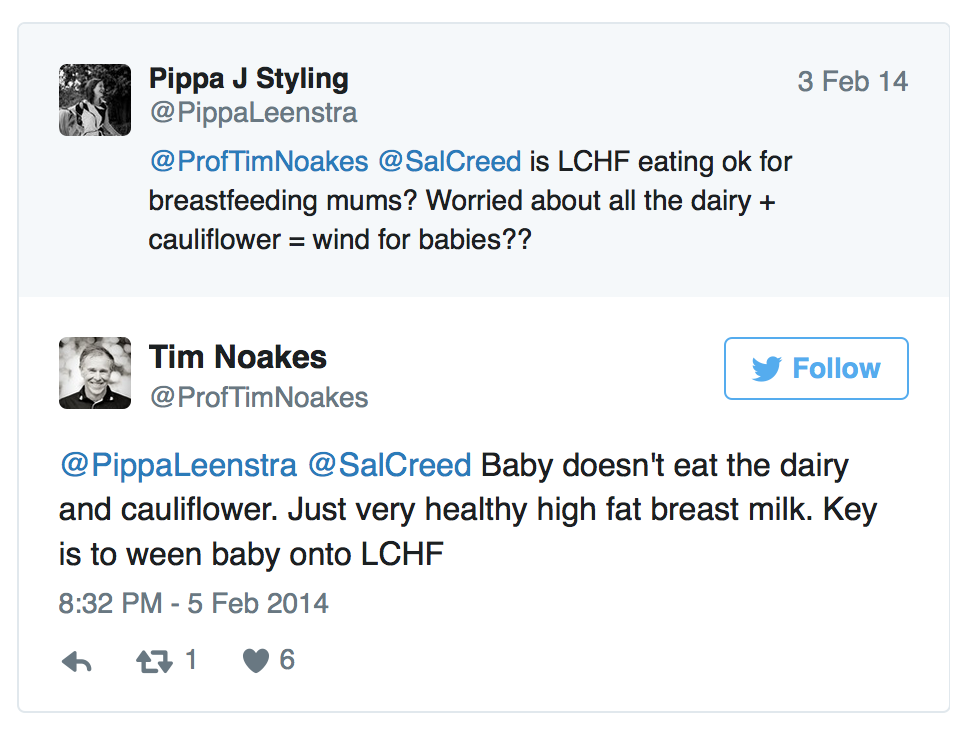
Last Tuesday, I gave a talk at the UCT medical school on the ethics of social media for medical professionals, which focused in part on the Health Professions Council hearings with regard to the ‘unprofessional conduct’ of Prof. Tim Noakes.

While I’ve presented a half-dozen or so talks on the philosophy and ethics of science for dietitians in the last couple of years – usually for continuing professional development (CPD) points – this one attracted more than the usual amount of attention, thanks to the imminent resumption of the Noakes hearings.

Error Naidoo takes on Lucifer, triumphs.

We don’t know for sure that it was Error Naidoo and his band of hyperbolic homophobes that succeeded in getting the TV show Lucifer moved to a fringe channel and a later time-slot on Dstv, but this is what has happened. (Mumford and Sons, meanwhile, have been moved to an earlier time-slot, to help attendees stay awake.)

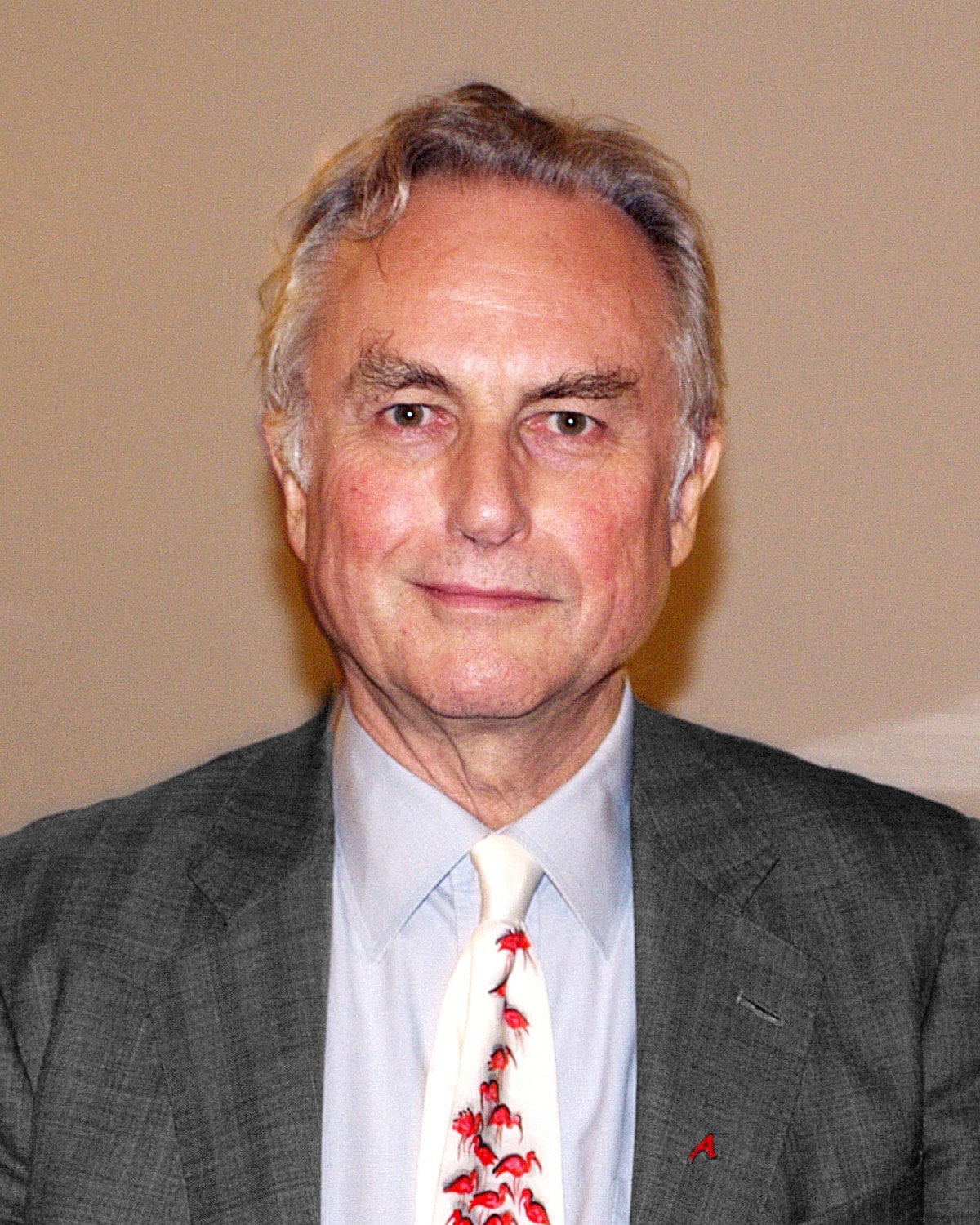
Free speech issues: NECSS disinvites Dawkins; Gareth Cliff update

My title is intentionally misleading, as there are aspects of both the cases mentioned therein that are not a free speech issue at all.

As I pointed out in my previous post on the Gareth Cliff saga, M-Net are, to my mind, perfectly entitled to promote a certain brand image, and this entitlement is compatible with saying that Cliff doesn’t fit that image, and that they are therefore not renewing his contract.

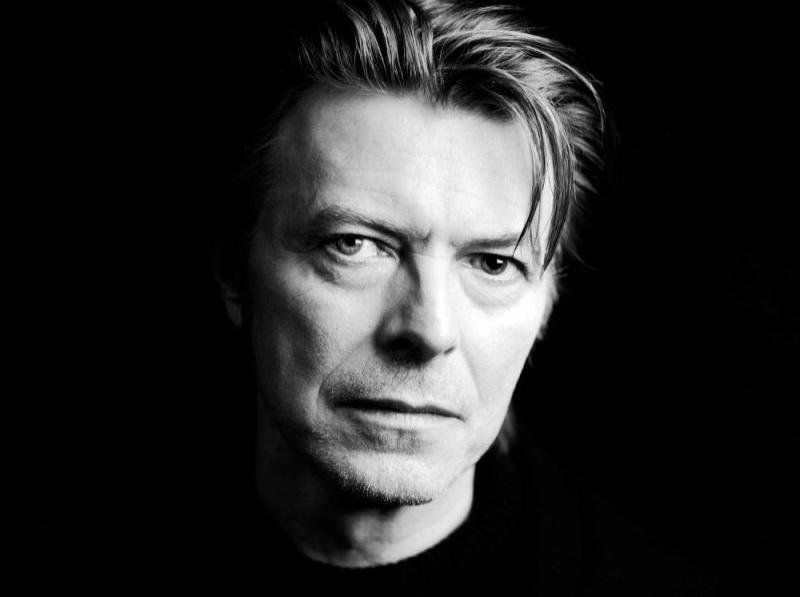
David Bowie – remembering a legend, forgetting an abuser?

I’ll not hide the fact that I am a fan of David Bowie’s music, and always have been. Impute whatever biases you will from that, but also try to objectively reflect on my remarks below, on the fact that he had sex with a 15-year-old girl sometime in the early 70s.

Do people understand freedom of speech? (On Mnet ‘firing’ Gareth Cliff.)

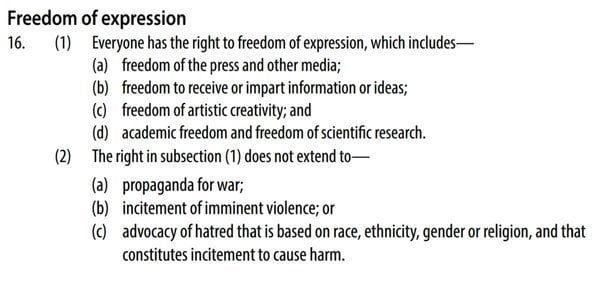
Here’s what I’ve learned from the past few days of social media debate regarding Gareth Cliff: it’s true that people don’t really share the same understanding of free speech at all.

Furthermore, even though I think my (and as far as I can tell, his) conception of it is the correct one, it’s partly the assumption of that correctness – rather than an argument for it – that leads to all the trouble on Twitter.

Hate speech, hurtful speech, Chris Hart and Penny Sparrow

Following a brief period of goodwill over Christmas and New Year celebrations – where the goodwill was likely just people being distracted rather than benevolence – South Africa’s court of social media has resumed operations.

It’s difficult to know when calling people out becomes persecution or “witch hunt”, and I’ve no doubt that some of you think that it’s permissible, or even obligatory, to condemn racist tweets or Facebook posts in the strongest terms.

Some of you might also think that any attempt to contextualise the offensive statements somehow excuses them. It’s true that providing context can be a means of evading blame, or excusing someone else from rightful blame.

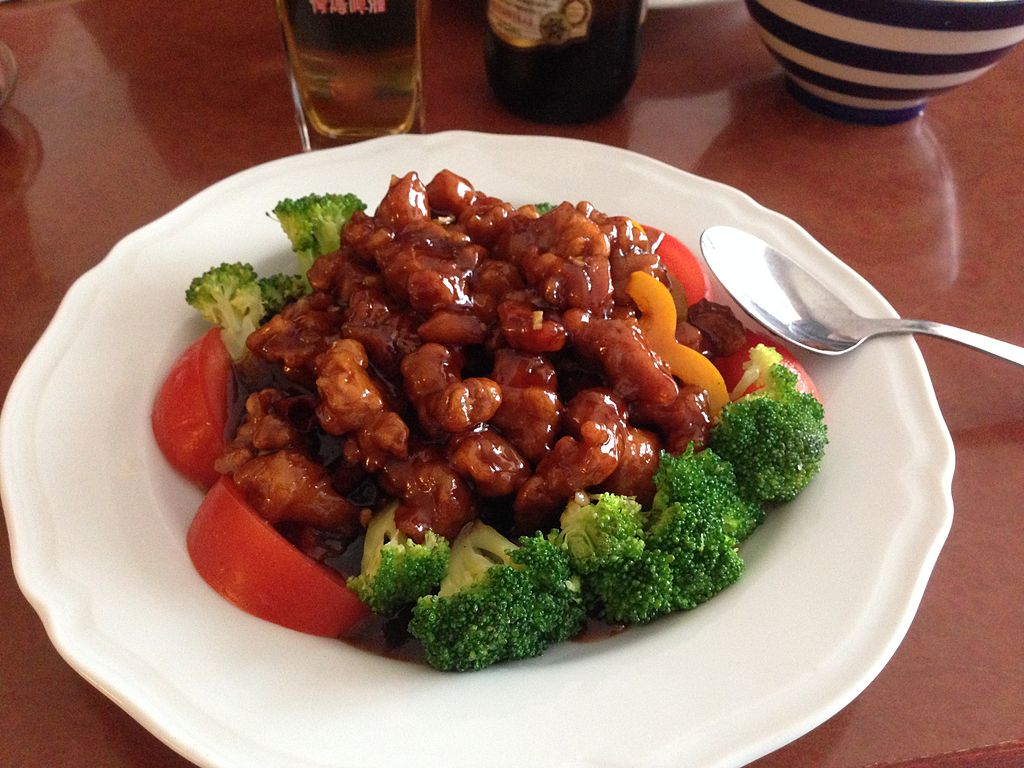
Culturally appropriative cuisine and “institutional collusion”

There certainly are offensive ways of stereotyping people or appropriating cultures, regardless of whether or not one intends to be offensive. Blackface is one, as is describing Jewish people as greedy, or Scots as miserly, or “immigrants” as lazy, and so forth.

Other stereotypes cause less offense, for example regarding lawyers as predatory or accountants as boring. Clearly, there’s are difference between these sets of examples, in that ethnic slurs – particularly those directed at marginalised groups – are likely to hurt more.

The (unbearable?) whiteness of #ZumaMustFall

It’s an undeniable fact that yesterday’s #ZumaMustFall march in Cape Town was overwhelmingly white. It’s also true that – as I said in my previous post – the “Zuma must fall” hashtag and related tweets have provided an opportunity for some folks to flaunt obviously racist sentiment.

But neither of these features are good reason to dismiss the possibility that many of yesterday’s marchers were fully sincere, aware of their “white privilege” (quotes not because I reject the concept, but because the concept admits to different interpretations), and not at all inconsistent (some have been asking “where were they when the #FeesMustFall marches were happening”, etc.)