Free speech versus fake news

Let’s assume that we – as a species – are not as smart as some of us think we are. I think that this is true (even if sometimes overstated), and that realising that it’s true allows us to accept that sometimes, we don’t know what’s best for us.

Recognising that we are irrational choosers doesn’t tell us how to solve the problem. My post, linked above, makes the case that we should accept that “nudges” or “benign paternalism” are acceptable. But you could object that even if we don’t know what’s best for us, we’re still better at knowing our own wants and desires than anyone else could be.
Obesity: The Post-Mortem and “gratuitous fat-shaming”

The Doctor and I recently watched “Obesity: The Post-Mortem”, a BBC3 recording of the autopsy of a 17 stone (108kg) woman. Unless you have access to BBC’s iPlayer, you’ll not be able to watch it (legally), and I imagine many of you wouldn’t want to in any event.

But even if you can’t watch it, you can nevertheless engage with the point made in her post on the show, where the Doctor says that there’s a difference between something being uncomfortable or unpleasant, and it being offensive. I agree, and want to expand on that point here.

Gigaba should have allowed Anderson in

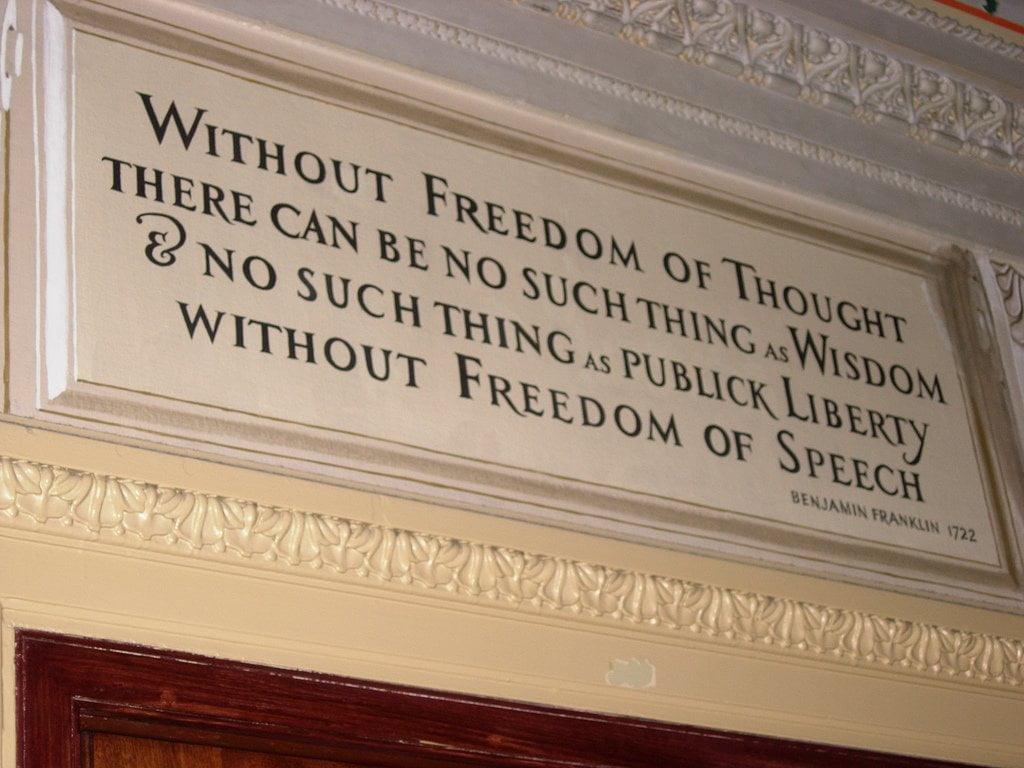
Our commitment to free speech is tested by speech that offends us, not by speech we agree with. This does not necessarily entail allowing all speech: it’s possible to take the pragmatic view that while we’d ideally want all speech to be permissible, it might be the case that in some contexts, the risks of violence (or other negative consequences) are too great.

I’m not going to repeat the standard arguments in favour of freedom of speech here (previous defences of the principle can be found in this column on Kuli Roberts, this one on Gareth Cliff, or this one on more general issues to do with “thoughtcrime” and hate speech).

On this pragmatic reasoning, one might ask how we most efficiently nudge ourselves into a world where all speech is allowed, even as those who utter hateful speech pay some other price (for example, widespread opprobrium) for doing so?

Academic freedom at the University of Cape Town

The Academics Union at UCT recently organised a panel discussion on academic freedom at UCT, following the dis-invitation of Flemming Rose as the TB Davie Memoral speaker.

The text below was my opening statement at that panel discussion. There are obviously many other issues that could be addressed, and we were asked to limit our contributions to five minutes, so what follows is of necessity restricted in scope.

Dealing with “unintentional racism”

Eusebius McKaiser invited me onto his radio show to talk about intentions and their role in assigning praise and blame, or more broadly, in determining the moral status of speech and action. You can listen to the podcast of the conversation, and/or read further if you’re interested in a fuller description of my views on the topic.

Mother Teresa and charitable criticism

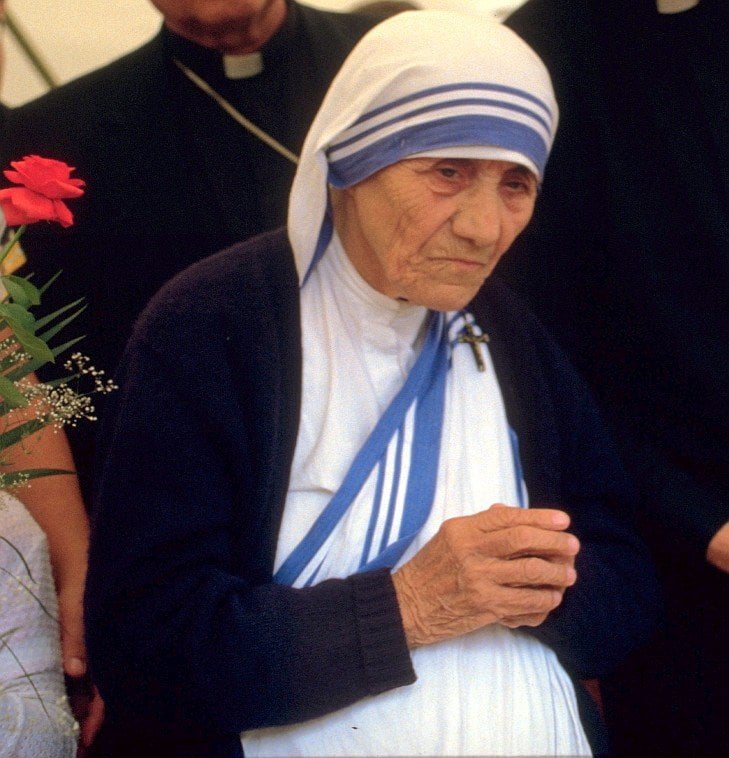
Nobody should be surprised to hear that I’m an atheist (or an agnostic, depending on who I’m talking to). But for many a year now, I’ve deplored the lack of humanism displayed by many of my fellow atheists, expressed in a contempt for religion and the religious.

There’s no question in my mind that religion is not the ideal way to substantiate moral claims, or to create community, and especially not to resolve matters of empirical fact. Despite this, most religious people are just like the rest of us in wanting to live better lives and treat each other well, and much of the time, their religion is no obstacle – and even an advantage – in the quest to do so.

On the proposed South African sugar tax

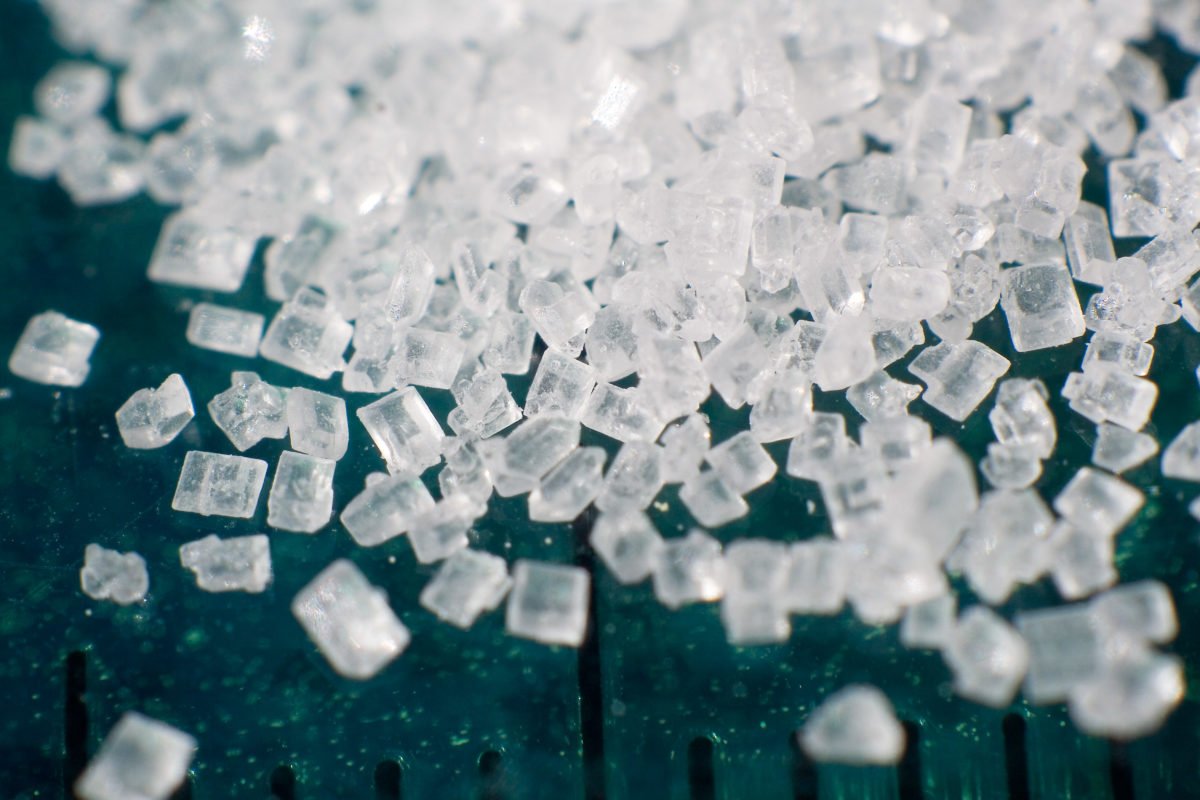
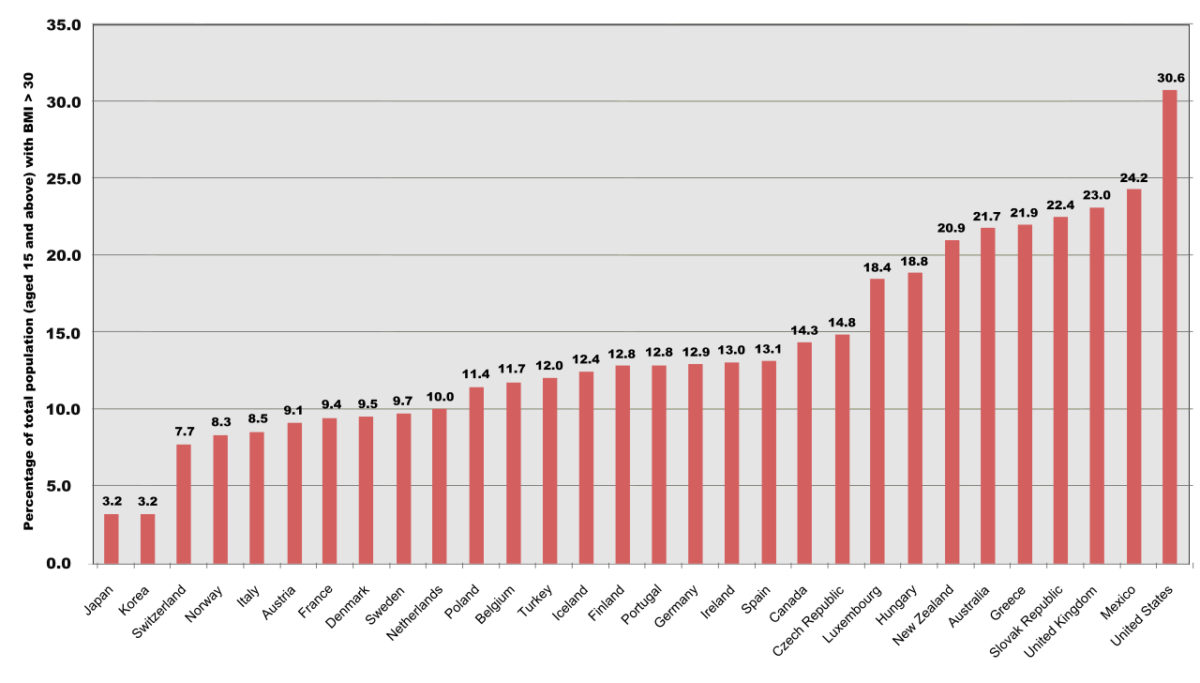
As Africa Check reports in Daily Maverick, it’s not yet clear what the effects of the proposed sugar tax in South Africa will be. But it is clear that South Africa has a serious obesity problem – and that sugar is a clear causal factor for obesity.

A Mail&Guardian journalist recently approached me for comment on this (I’ll update this post with a link to the piece when it’s published), but because the M&G article will likely only quote snippets, here’s a fuller response to a few sugar tax issues.

Caster Semenya, and fairness in sport (and life)

If we were to design athletic competition from scratch, how would we proceed? I think, given all the biases we’ve challenged or discarded since the first time athletic competition was tracked (sex, gender, race), we’d hope to find some way to match competitors in a way that created the spectacle required, and rewarded skill and effort, but did not rely on an arbitrary characteristic of humans to separate us into categories.

On opinions, and how the world needs editors

The reading material for my “Evidence-based Management” course at the University of Cape Town contains an early draft of what ended up becoming chapter 1 of Critical Thinking, Science and Pseudoscience.

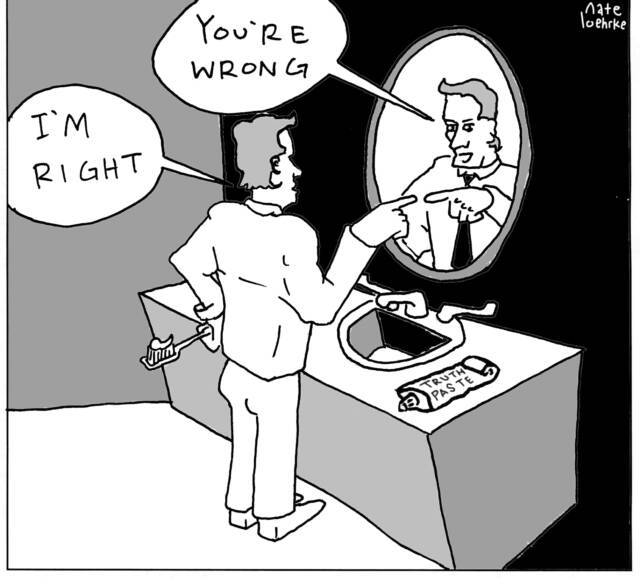
Springer book coverIn the book, Dr. Caleb Lack and I argue that phrases like “everybody is entitled to their opinions” are typically trite or misleading.

They can be meaningless, in the sense that of course it’s true that everyone is legally entitled to hold whatever opinions they like.

This doesn’t seem to be what we mean when using the phrase, though – we typically say: “well, you’re entitled to your opinion” precisely when an opinion has been expressed, where we disagree with the expressed opinion, and where we express that disagreement by using the phrase in question.

Should you vote? South African Local Government Elections 2016

Earlier today, Eusebius McKaiser was asking CapeTalk and Radio702 listeners whether they thought that they had a duty to vote, and I tweeted that

John Maytham was listening in, and that resulted in an interview with me, just concluded a few minutes ago. For those who didn’t hear it (here’s a link to the podcast), and who care about what I have to say on this topic, here is a digest of my thoughts on the matter: