“Post-truth” doesn’t have to mean factual relativism

Most pieces about the “post-fact” or “post-truth” world express concern regarding the possibility that it’s now commonplace – or even somehow acceptable – to make stuff up instead of offering arguments and evidence for your claims.

My contribution to the discussion was to point out that truth has never mattered as much as we might prefer. But the fact that people don’t care to (or find it difficult to) escape their filter bubbles doesn’t need to entail giving up on facts and the truth entirely.

Sugar, the SAIRR and conflicts of interest

The South African Institute for Race Relations (IRR) identifies itself as a liberal think-tank, focusing on research and ideas that might conduce to investment and economic growth.

As you’d know, the term “liberal” means many different things to different people. On my terms, the IRR has often been empathy-light, in that its idealistic vision of what the data tells us we should do can sometimes appear blind to important social and political contexts.

Stransham-Ford and physician-assisted euthanasia

Allowing physician-assisted euthanasia (or suicide) is the morally correct thing to do, as I’ve argued many times in the past. This doesn’t however mean that any given attempt to make it legally permissible is sufficiently persuasive.

A court has to decide on the merits of the case before it, and the Supreme Court of Appeal’s decision to uphold an appeal by the Ministers of Justice and Health (among others), against the Pretoria High Court’s 2015 ruling permitting Stransham-Ford’s assisted suicide, seems to have been the correct one.

(Detective) Lethobo: the Profits from Doom

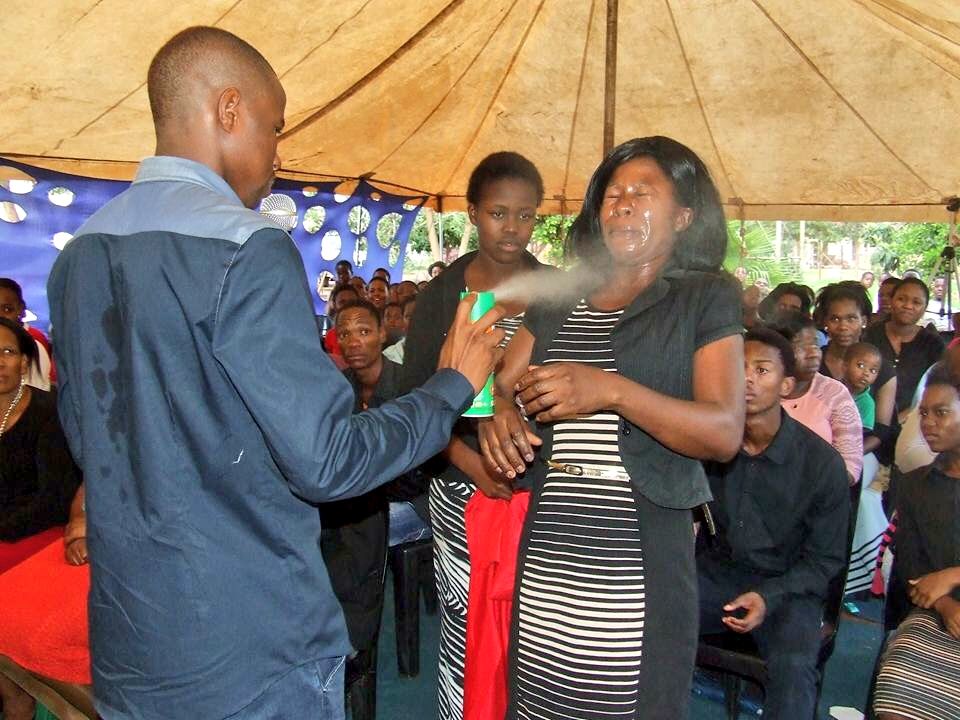
Charismatic pastors have long been abusing the loyalty and faith of devout Christians, and I’m sure this happens in other religions also. In South Africa, though, we’ve recently heard of some quite bizarre examples.

Penuel Mnguni telling people they should eat snakes and Lesego Daniel making a sacrament of grass and petrol come immediately to mind. And then there are the more traditional forms of exploitation, like Pastor Mboro telling parishioners that he can get them to heaven for R 10 000 (or, secure them a VIP seat next to Moses, Abraham and even Jesus for R 30 000).

Emotion trumps evidence in a post-fact world (same as it ever was)

As you’ve no doubt heard, “post-truth” has been named “word of the year” by Oxford dictionaries. But that shouldn’t lead us to think that truth or evidence has ever mattered as much as we might prefer, or that this post-truth world represents a complete break from the past.

All of us have always been susceptible to various forms of irrational thought resulting from bias in how we interpret – and even recognise – evidence, as elegantly illustrated in the work of people like Kahneman and Tversky, as well as in popular science books by Dan Ariely and others (like me and Caleb Lack (sorry not sorry)).

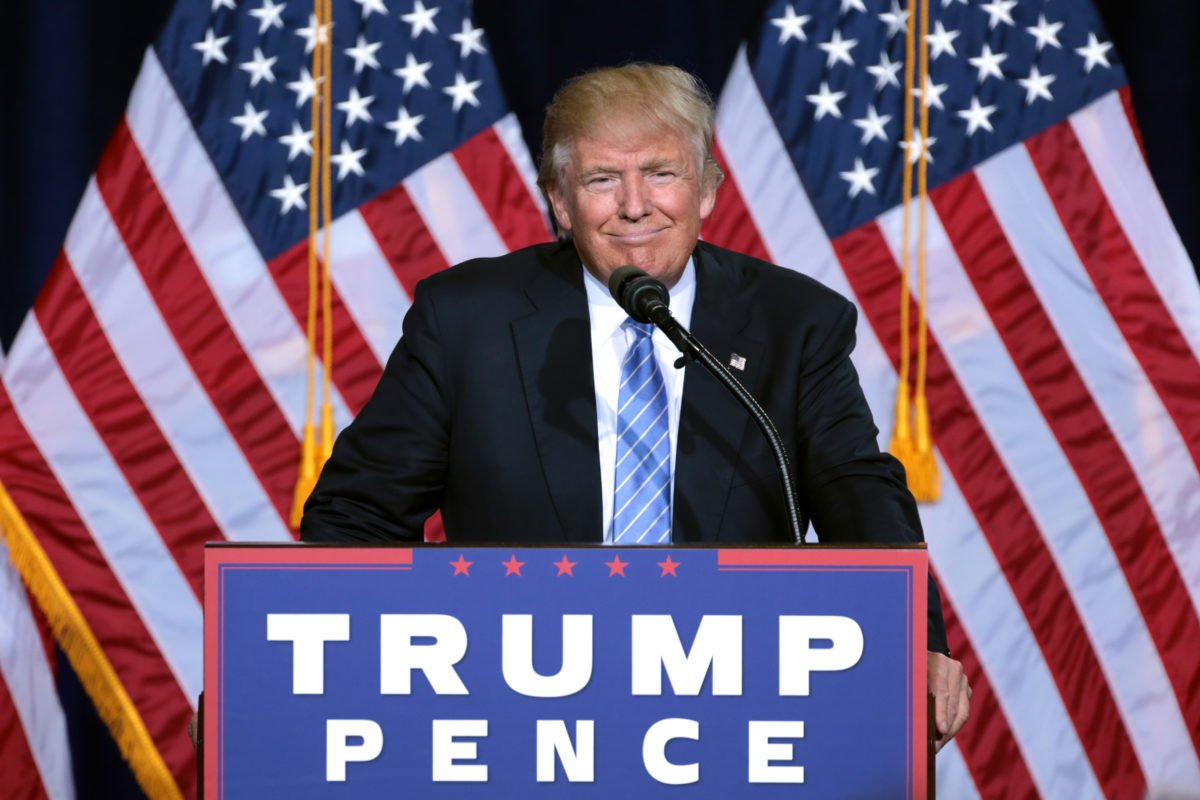
Populism, more than prejudice, is the problem with Trump

This has been a pretty bad year. What we’ve lost includes Muhammad Ali, Prince, Alan Rickman, David Bowie, Maurice White, Glenn Frey, George Martin, Garry Shandling, Merle Haggard, Elie Wiesel, and Micheal Cimino. (And then Leonard Cohen too…)

Oh, and, potentially, centrist politics – at least for a time. Brexit was at least in part a triumph of the political right, fueled by fears of immigrants and a nationalistic fervor, by contrast to the vision of a world united by common values and open (in both the legal and cultural senses) borders.

South Africa’s LGBTI folk can have rights – others, not so much

South Africa has supported “a call for the suspension of the United Nations LGBTI rights expert“, because sexual orientation and gender identity “should not be linked to existing international human rights”. [Update, 22 November: SA has reversed course, and now support the establishment of the LGBTI rights expert position.]

Say what you will about whether “gender identity” is a confused concept (here’s Rebecca Reilly-Cooper with a thoughtful article on that), the fact remains that theoretical disputes are a separate matter from the fact that LGBTI folk are subjected to discrimination, harassment and violence exactly because of those identities.

A tale of two conspiracies from the Noakes hearings

Unfortunately, I was only able to attend half of one day of the reconvened HPCSA hearings regarding Prof. Tim Noakes and his alleged “professional misconduct”.

I missed what might have been the most interesting day, at least on a personal level, as apparently one of my tweets was read into evidence. This gave Prof. Noakes an opportunity to tell folks that I had a vendetta against him, that I “call myself” someone with philosophical expertise, and so forth.

Hate speech and legal overreach in South Africa

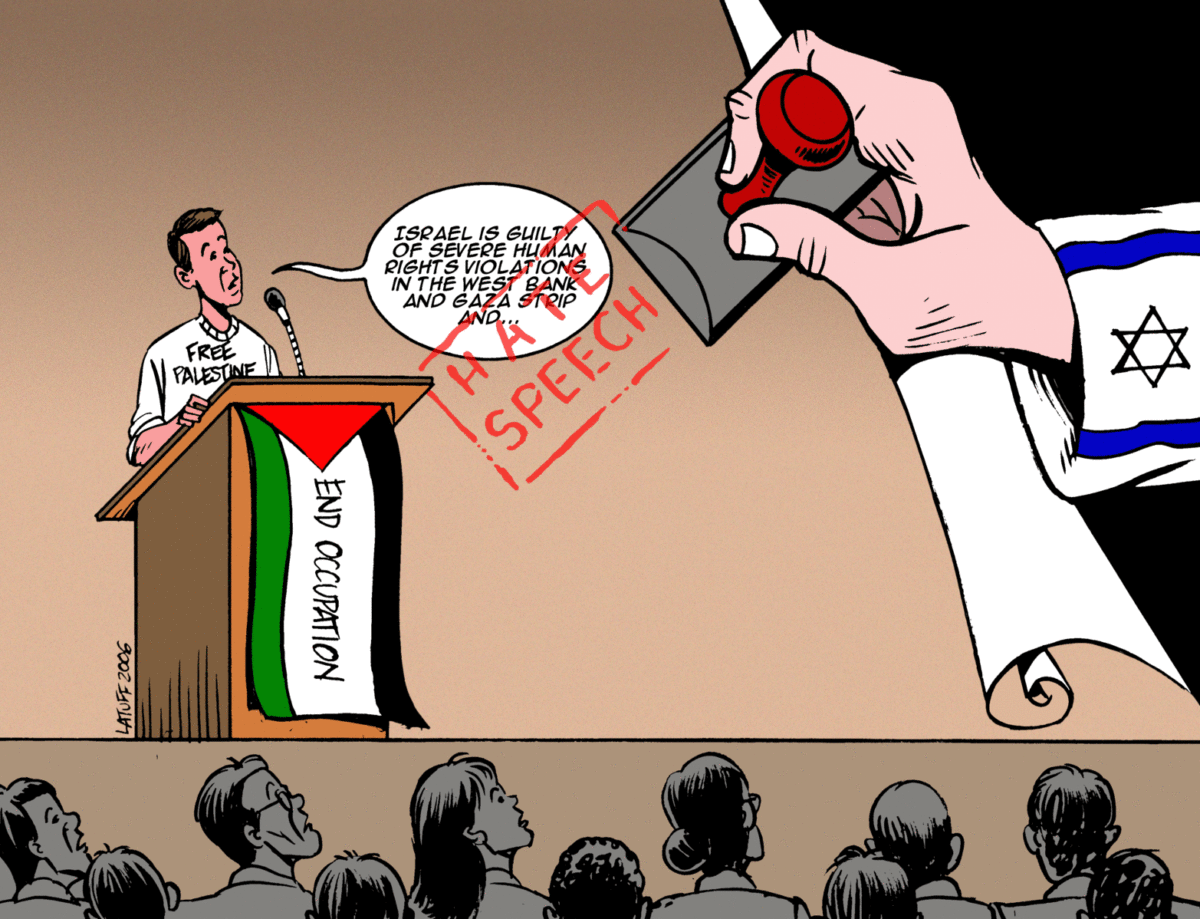
The intentions motivating the draft South African Hate Crimes and Hate Speech Bill are – as far as I can tell – entirely noble, but perhaps not entirely sound.

If you don’t know about the Bill, you can read Justice Minister Michael Masutha’s justification for it on Daily Maverick, in which he says that:

It will provide additional tools to investigators and prosecutors to hold the perpetrators of hate crimes accountable and provide a means to monitor efforts and trends in addressing hate crimes.

Brief notes on a crisis: #FeesMustFall

The University of Cape Town’s Senate met this morning. I had to leave at 12:15, but the meeting – which started at 10:00 – had up until that point merely confirmed what we all know is the case: that there are no easy answers, and very little agreement on how to proceed.

What agreement there was consisted of a general consensus that we’d like to be able to teach, and that students would like to be able to learn. Teaching and learning are obviously core business for a university, and why most of us are there, so agreement on this is no surprise.