OGOD finally has its day in court

Hans Pietersen has been working towards getting the matter of religious bias in South African public schools heard by the courts since 2009. This week, it finally happened.

OGOD is the name of the organisation he founded and chairs, and who brought the case to the Johannesburg High Court. But don’t let that bit of blasphemy in the name fool you. Even though there are many atheists in the organisation, their cause is a secular rather than atheist one, and as I’ve argued before, the difference is crucial.

#BlueWhale: a greater threat to journalistic reputations than to teens

Any suicide that isn’t preceded by careful deliberation, in full knowledge of its consequences, is undoubtedly a sad thing. Other suicides would often be tragic also, as much as I respect the freedom to make that choice, outside of the moralistic prescriptions of societal norms.

Teen suicide would often not be preceded by that deliberation. We’re more vulnerable then, and might be inclined to overestimate our misery, and underestimate our prospects for the future.

Signs and significance, Vol. I: the UCT Library

In what will probably not ever become a series, consider this sign, displayed in the library of the University of Cape Town. The casual observer might simply pass it by, given that the casual observer is typically not that observant.

The slightly less casual observer might pause to reflect on the irony inherent in the fact that a university library approved, printed and now displays a sign that contains two spelling errors. Or, they might reflect on this a little later, shaking their heads while sipping their cognac.

So that is indeed enough: Karel Schoeman and assisted dying

Karel Schoeman never wanted to be old. I don’t either, but maybe you do – or maybe you already are, by whatever metric you use to measure such things. Regardless of where you stand on that, I’m fairly confident that none of us want to die slowly and painfully.

Or even live, if it feels authentically pointless to do so, or if your thoughts routinely turn to how you can no longer add the value to others’ lives you once did. Or live, if you know that you are for the most part a constant burden to both yourself and to others.

The Press Ombusdman’s Huffington Post ruling – #ShelleyGarland and hate speech

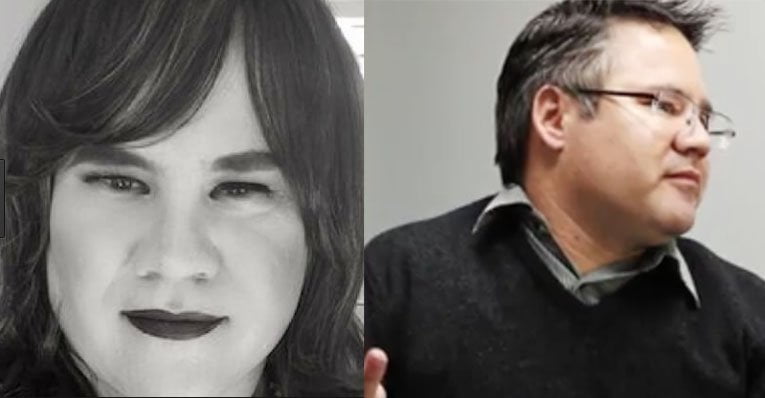
The Press Ombudsman received complaints regarding the piece by “Shelley Garland” published by the Huffington Post (who also asked him for comment), and his ruling on the matter was released yesterday.

The ruling is terrible, in both its reasoning and in its consequences.

It is terrible in its consequences first because the HuffPo’s editor, Verashi Pillay, was made to feel obliged to resign, and the career of a promising editor has now been interrupted. Despite her missteps (here, and in the Maimane case), and their severity, this incident should not have led to her resignation.

Huffington Post, Shelley Garland and editorial responsibility

Edit (19/04): All the details of this saga have now been revealed. See Verashni Pillay’s post, and its linked interview with “Shelley Garland”.

Update (22/04): The Press Ombudsman’s ruling is out, and it’s pretty damning for HuffPo.

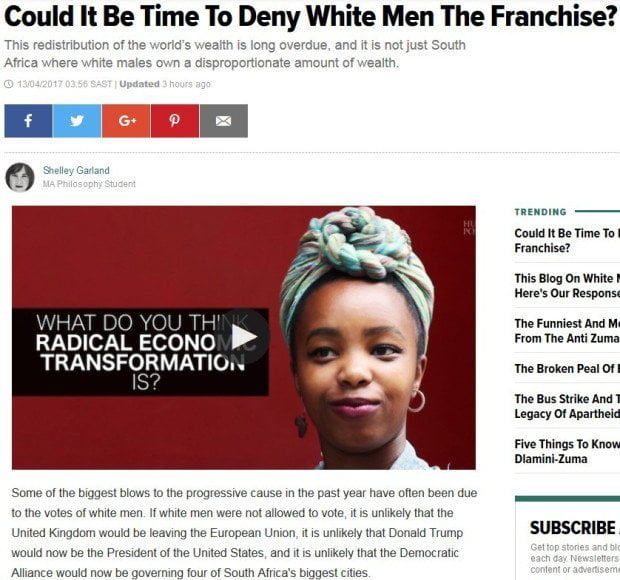
A quick recap for those of you who don’t know the story. On April 13, Huffington Post South Africa published an opinion piece, by someone identified as Shelley Garland, headlined “Could it be time to deny white men the franchise?“.

The consequences of publishing this piece were fairly predictable. For some, this was further confirmation that HuffPoSA has a political or ideological agenda – here, an anti-male and anti-white agenda.

Zapiro and the rape of South Africa

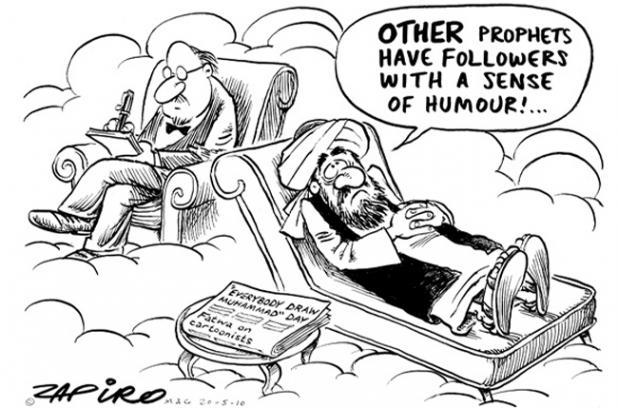
If you are reading this, then you have likely seen today’s Zapiro cartoon. If you haven’t, you can see it on Daily Maverick. I’m not going to reproduce it here, both because I haven’t asked for permission to do so, and because some folk who I hope to engage via this post might think it’s needlessly provocative to do so.

Basic Education in Demonology

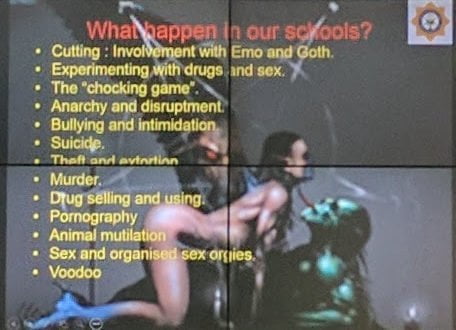
Well. Minister of Basic Education Angie Motshekga and I had a rather interesting morning. I was part of the group that drafted a charter on rights and responsibilities for religious conduct at schools, and today we (and other interested parties) gathered to discuss the charter, and to hear the Minister’s thoughts on “harmful religious practices” in schools.

Instead, what we mostly got was lessons in how many demons are out there, hungering for your kids’ brains souls, and how only Jesus can save them.

Helen Zille and “valuable aspects of colonial heritage”.

Readers will know that I’m not partial to shaming others, and that I try to avoid polarised viewpoints. I also try to apply the principle of charity – in other words, try to understand what someone was trying to say, rather than simply judging their statements based on surface-level meaning.

And while it’s fairly easy to imagine what Helen Zille thought we should take from her tweets yesterday, it’s very difficult to comprehend how someone with so much experience and knowledge of South African politics could be so naive – or ignorant – as to tweet what she did.

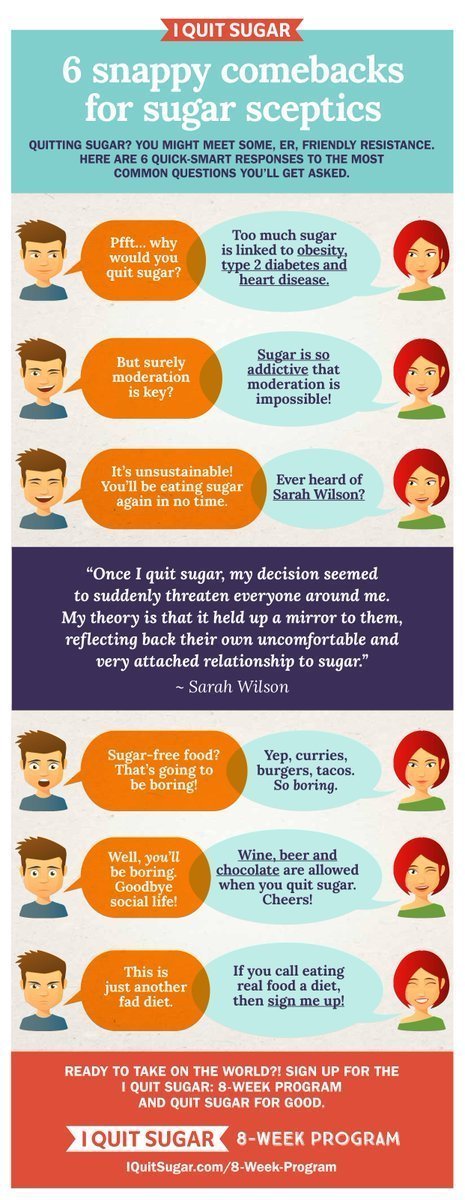
6 snappy comebacks to “6 snappy comebacks for sugar sceptics”

Before anyone else says it, yes, I know the title over-promises. Snappy comebacks aren’t exactly my thing, because they are typically simple-minded and reductionist responses to issues that are, to borrow Dr. Ben Goldacre’s line, “more complicated than that”.